
Sleep is one of those things we all know we need but often struggle to get enough of—like exercise, hydration, and saying no to “just one more” episode of our favourite show. If you find yourself tossing and turning at night, waking up groggy, or relying too much on coffee to function (no judgement, we’ve all been there), the solution might be simpler than you think. Instead of reaching for melatonin or counting sheep, have you considered counting tomatoes? Gardening is a surprisingly powerful sleep aid, and unlike other remedies, it doesn’t come with a list of side effects—unless you count dirt under your fingernails and an uncontrollable urge to talk about compost.
In this blog, we’ll dig into the science behind gardening and better sleep, explore the ways plants and fresh air work their magic, and share some fun DIY projects to help you create your own sleep-boosting garden.
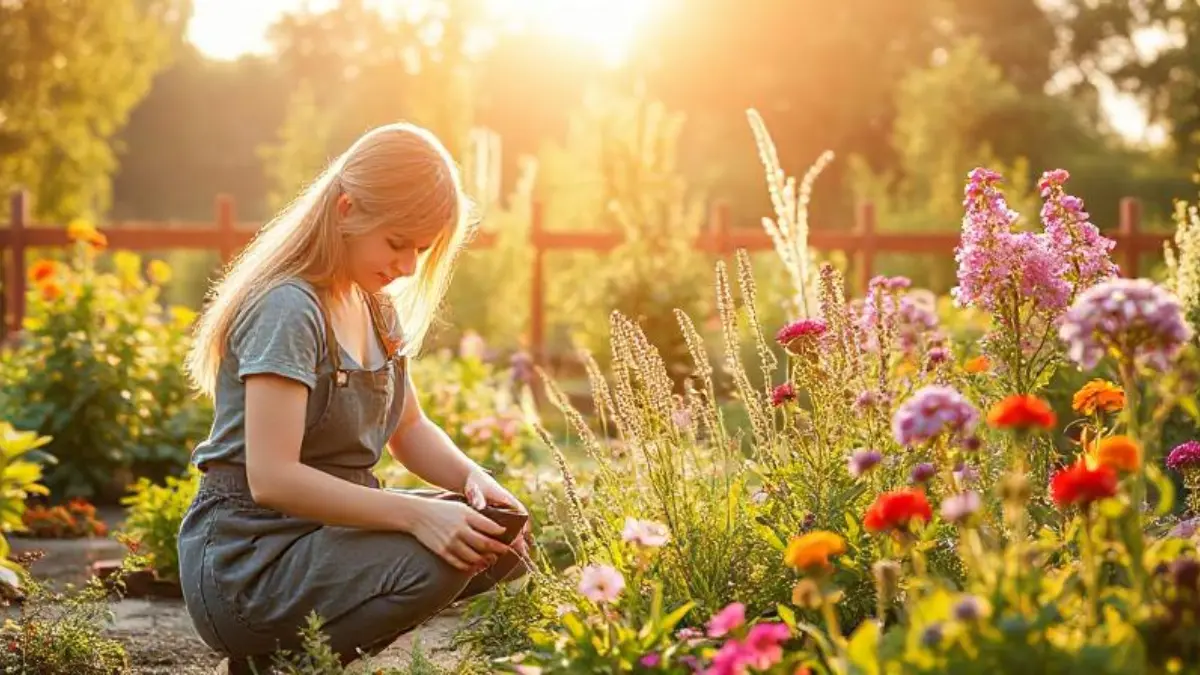

The Science Behind Gardening and Sleep
1. Sunlight and Circadian Rhythm
Exposure to natural light is one of the most effective ways to regulate your circadian rhythm, also known as your body’s internal clock. When you spend time outside digging, planting, and weeding, your body naturally soaks up sunlight. This boosts your melatonin production, a hormone that plays a key role in signaling your body when it’s time to sleep. The more sunlight you get during the day, the more melatonin your body produces at night, leading to a more restful and consistent sleep cycle. Additionally, natural light exposure during the day can help reset your sleep patterns, which is especially beneficial if you’re dealing with insomnia or erratic sleep schedules. Incorporating outdoor activities like gardening into your daily routine can help improve your sleep quality over time, helping you feel more energized and ready for a good night’s rest.
2. Physical Activity
Ever noticed how exhausted you feel after a full day of gardening? That’s because it’s a legit workout! Gardening involves everything from digging, lifting, pulling weeds, and carrying watering cans—all of which burn calories and engage your muscles. When you exert yourself physically, your body naturally releases endorphins, which are the body’s natural painkillers and mood elevators. This physical activity also helps lower cortisol levels, the hormone associated with stress. Consequently, physical exertion not only reduces stress but promotes deeper, more restful sleep. It’s no surprise that after a full day spent gardening, you feel ready to sink into a comfortable bed and drift off into a peaceful slumber.
3. Reduced Stress and Anxiety
Gardening has been proven to lower cortisol levels (the stress hormone) and boost endorphins (the happy hormones). As a result, gardening serves as a natural way to unwind and reduce stress. By spending time in nature, you can distract yourself from the stresses of daily life, allowing your mind to relax and let go of anxiety. Moreover, it’s been shown that even a brief session of gardening can have an immediate impact on reducing anxiety levels, making it easier to focus and let go of negative thoughts. Less stress and anxiety mean a calmer mind and body, which significantly contribute to better sleep. Whether you’re planting flowers, growing vegetables, or simply enjoying the act of weeding, gardening serves as a therapeutic escape from the pressures of life.
4. Fresh Air and Oxygen Levels
Breathing in fresh air and being surrounded by plants helps increase oxygen levels, which promotes relaxation and a sense of well-being. Plants are natural air purifiers, and they work around the clock to filter toxins from the air while releasing oxygen. This increase in oxygen can help reduce stress and improve your overall mood, making it easier to relax as the evening approaches. In addition, certain plants like lavender and chamomile have natural properties that promote relaxation and drowsiness. These plants release compounds that can help calm your nervous system, making it easier for you to unwind after a long day. Spending time in a garden not only enhances your sleep environment but actively works to improve the quality of your rest.
5. Mindfulness and Mental Clarity
Gardening encourages mindfulness, the act of being present in the moment and fully engaged in your surroundings. When you’re focused on tasks like planting, pruning, or tending to your garden, you’re less likely to dwell on work emails, personal stresses, or any distractions from the outside world. This focused attention helps clear your mind and promotes relaxation. The act of gardening itself can be meditative, providing a much-needed break from the constant noise of modern life. By being immersed in nature and tending to your plants, your mental state becomes calmer, and you’re able to leave behind the stress of the day. This shift in mental focus promotes relaxation, which is essential for better sleep. Gardening provides a natural opportunity for you to let go of worries and embrace the tranquility of the moment, ultimately leading to a peaceful night of rest.

The Proof is in the Plants: A Table of Sleep Stats
If you’re a numbers person, here’s a quick look at how gardening and outdoor time improve sleep:
| Factor | Effect on Sleep | Supporting Evidence |
|---|---|---|
| Sunlight exposure | Regulates circadian rhythm, boosts melatonin | Harvard Medical School, 2021 |
| Physical activity | Reduces insomnia, improves deep sleep | Sleep Foundation, 2022 |
| Stress reduction | Lowers cortisol, increases relaxation | Journal of Health Psychology, 2020 |
| Fresh air & oxygen | Enhances sleep quality, reduces snoring | American Lung Association, 2019 |
| Plant exposure | Certain plants promote relaxation & drowsiness | National Sleep Foundation, 2021 |
Plants That Help You Sleep Like a Baby
Want to turn your backyard (or even your balcony) into a sleep sanctuary? Here are some of the best plants for relaxation and better sleep:
1. Lavender
- Smells amazing and has proven relaxation benefits.
- Helps lower heart rate and blood pressure, making it easier to drift off.
- Bonus: It repels mosquitoes, so you can sleep soundly without buzzing interruptions.
2. Chamomile
- Famous for its sleep-inducing properties (hello, chamomile tea).
- Contains apigenin, an antioxidant that promotes relaxation and reduces insomnia.
3. Jasmine
- Its sweet scent reduces anxiety and improves sleep quality.
- Studies show people who sleep near jasmine plants experience less restless sleep.
4. Valerian
- Its roots have been used for centuries as a natural sedative.
- Inhaling valerian scents can improve deep sleep.
5. Aloe Vera
- Releases oxygen at night, improving air quality and promoting better breathing.
- Great for people who suffer from nighttime congestion or mild sleep apnea.

DIY: Create Your Own Sleep-Boosting Garden
Ready to start your own backyard (or balcony) sleep lab? Here’s a simple step-by-step guide to creating a garden that helps you get the best rest of your life.
Step 1: Choose Your Space
Pick an area where you’ll be spending time before bed. A patio, a corner of your backyard, or even an indoor windowsill can work.
Step 2: Select Sleep-Friendly Plants
Use the list above to pick plants that promote relaxation. If you have a larger space, create a mix of perennials and annuals. If you’re short on space, potted lavender and chamomile work wonders.
Step 3: Create a Cozy Seating Area
A comfortable chair or bench will encourage you to spend time in your garden in the evening. Add string lights for a dreamy, calming atmosphere.
Step 4: Add Water Features (Optional but Highly Recommended)
A small fountain or birdbath creates soothing white noise, which helps calm the mind and drown out background noise.
Step 5: Make a DIY Lavender and Chamomile Sleep Spray
Want to bring the benefits of your garden indoors? Try this homemade sleep spray:
You’ll Need:
- ½ cup distilled water
- 10 drops lavender essential oil
- 5 drops chamomile essential oil
- 1 tbsp witch hazel
- Small spray bottle
Instructions:
- Mix all ingredients in the spray bottle.
- Shake well before each use.
- Spritz on your pillow and sheets before bedtime for a calming scent.
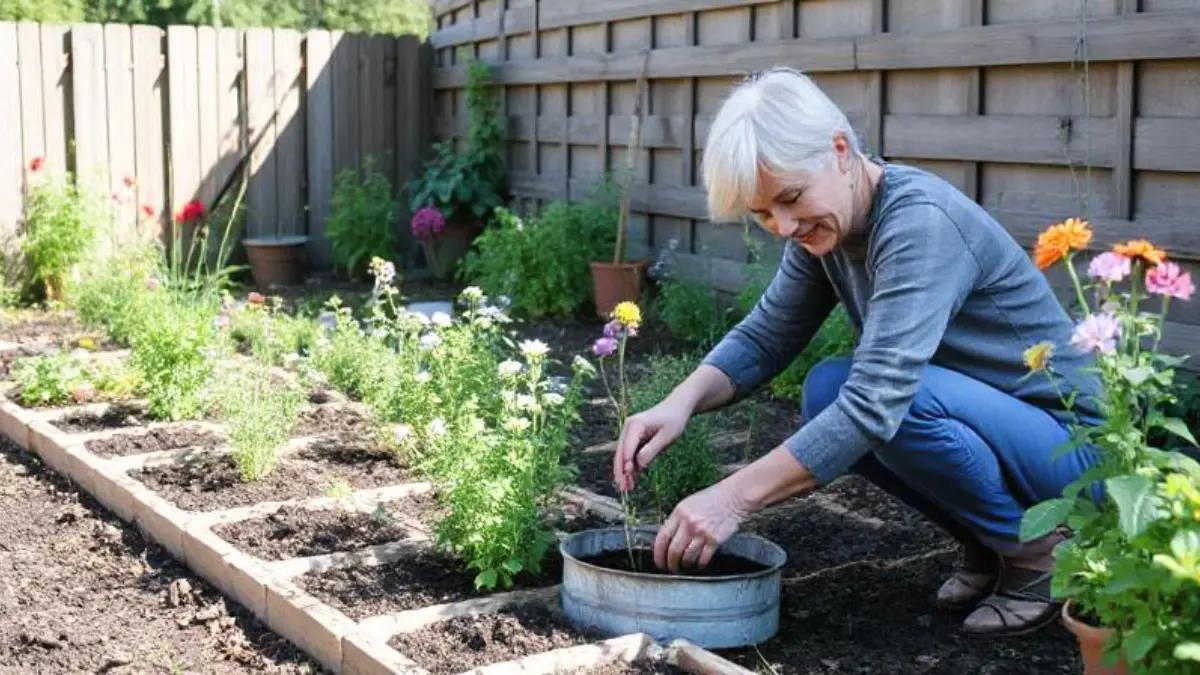
Final Thoughts: The Dirt on Better Sleep
So, there you have it. Gardening isn’t just good for your mental health, your dinner plate, and your Instagram feed—it’s also one of the best natural sleep aids out there. Whether you have a sprawling backyard or just a few potted plants on your balcony, getting your hands in the dirt can help you get the deep, restful sleep you’ve been dreaming of. In fact, research shows that spending time in nature can significantly improve sleep quality, making gardening a simple and enjoyable solution for those restless nights.
Moreover, gardening provides numerous benefits beyond sleep. You get to enjoy beautiful flowers, fresh herbs, and maybe even a few homegrown veggies out of the deal. As a result, you’re not only improving your sleep, but also enhancing your overall well-being. Gardening connects you with nature, helps reduce stress, and gives you something to look forward to as your plants grow and thrive.
What’s even better? You get to enjoy the satisfaction of creating your own little oasis of calm right in your backyard or on your balcony. There’s something truly rewarding about seeing the fruits of your labor bloom and thrive, and it provides a peaceful escape from the hustle and bustle of daily life.
Now, go get your hands dirty and prepare for the best sleep of your life! By spending time in your garden, you’ll not only sleep better but also feel better—and who doesn’t want that?