Visit our online store for 100% handmade items!

Raising chickens is more than just collecting fresh eggs—it’s about creating a little farm-to-table magic right in your backyard. But before you welcome your feathery friends, you need a well-designed chicken coop that keeps them safe, comfortable, and happy. Luckily, you don’t have to be a master carpenter or spend a fortune to build the perfect setup. With the right chicken coop plans, free and easy-to-follow, you can create a sturdy, predator-proof haven that suits your flock’s needs. Even better, you can customize it to match your backyard aesthetic—because let’s be honest, who doesn’t love a charming little henhouse?
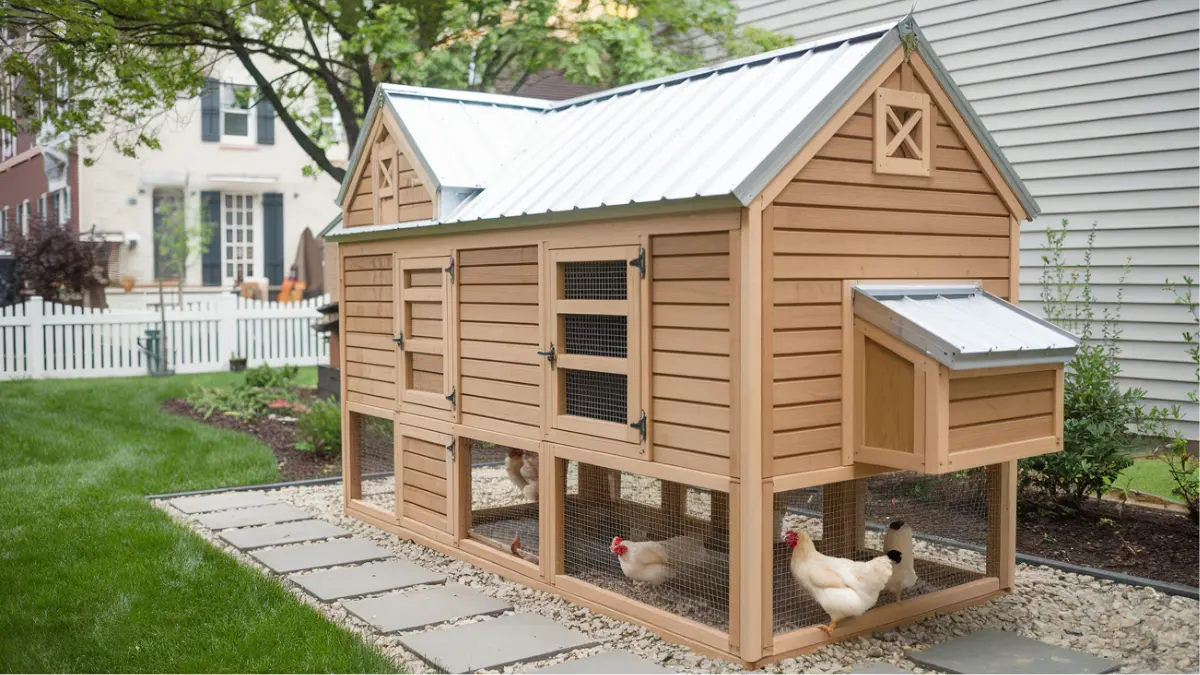
Before you grab your hammer, it’s essential to consider a few key features: proper ventilation, enough space per chicken, and easy access for cleaning. Fortunately, we’ve gathered the best plans to help you build a cozy, efficient space for your hens—without the stress or the sky-high price tag.
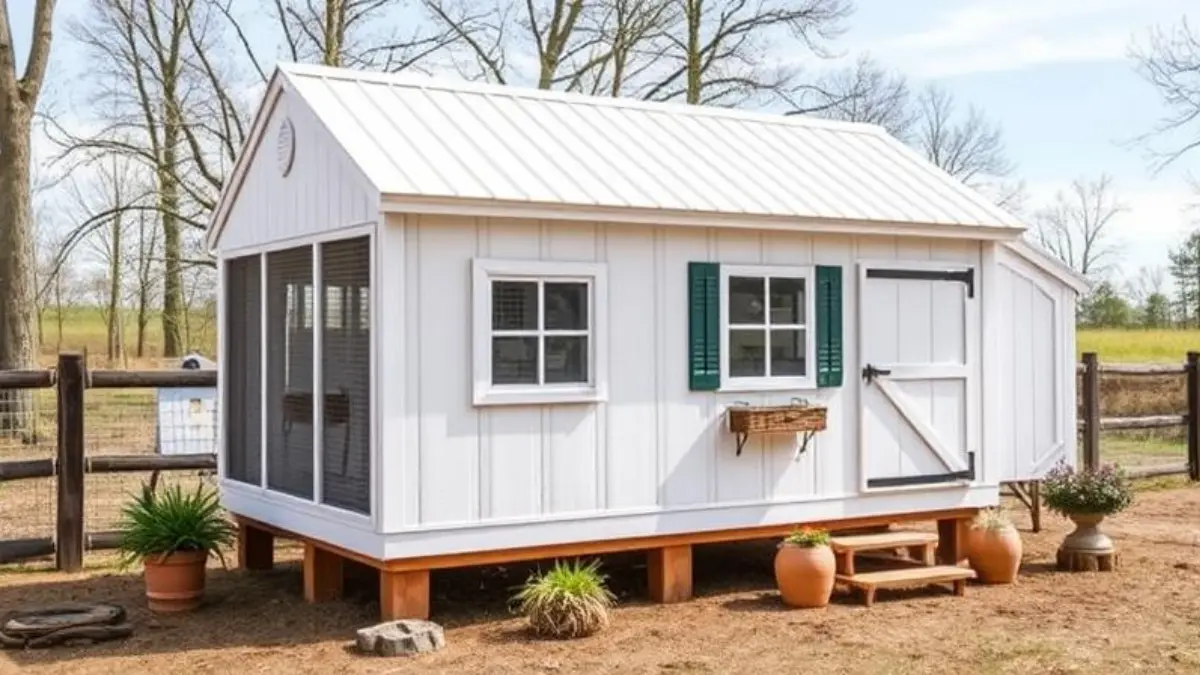
Why Invest in the Right Chicken Coop Plans?
First and foremost, the right chicken coop plans DIY ensures your hens have ample room to roost, lay eggs, and peck around. Additionally, a thoughtfully designed coop provides:
- Protection from predators (foxes, raccoons, hawks, and even neighbourhood cats)
- Ventilation to prevent moisture build-up and respiratory issues
- Insulation to keep your flock warm in winter and cool in summer
- Accessibility for easy cleaning, feeding, and egg collection

How Big Should Your Chicken Coop Plans Be?
Before grabbing your tools, consider how many hens you plan to keep. The size of your chicken coop plans free step by step should depend on your flock’s needs. Here’s a general guideline:
| Number of Chickens | Indoor Space (sq. ft. per chicken) | Outdoor Run (sq. ft. per chicken) |
|---|---|---|
| 6-8 Chickens | 3-4 sq. ft. | 8-10 sq. ft. |
| 8-10 Chickens | 3-4 sq. ft. | 8-10 sq. ft. |
| 12 Hens | 3-4 sq. ft. | 8-10 sq. ft. |
| 20 Chickens | 3-4 sq. ft. | 8-10 sq. ft. |
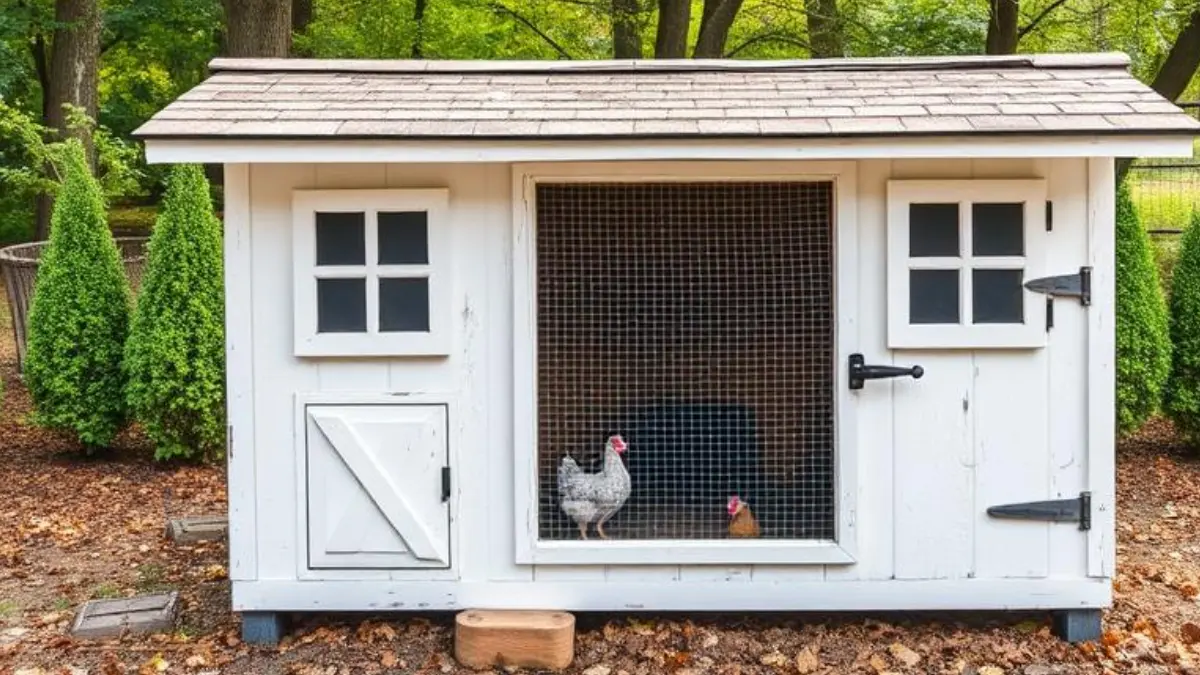
Choosing the Right Chicken Coop Plans for 6-8 Chickens
Moreover, if you’re starting with a small flock, a compact coop with easy access for cleaning is ideal. Look for chicken coop plans DIY that include:
- Nesting boxes (at least one for every 3-4 hens)
- A slanted roof for water drainage
- Predator-proof wire mesh
- Ventilation windows with screens
Designing Chicken Coop Plans for 8-10 Chickens
On the other hand, a medium-sized chicken coop should have clearly defined roosting and nesting areas to keep your flock comfortable and organized. For even more convenience, consider a walk-in design—not only does it make daily maintenance easier, but it also saves you from awkwardly crouching to collect eggs.
Furthermore, adding a removable tray under the roosting bars can be a total game-changer. Why? Because it simplifies cleaning by catching droppings before they pile up, making coop maintenance a breeze. With these thoughtful features, your hens will enjoy a cozy, well-structured space, and you’ll spend less time on cleanup and more time enjoying those fresh eggs!
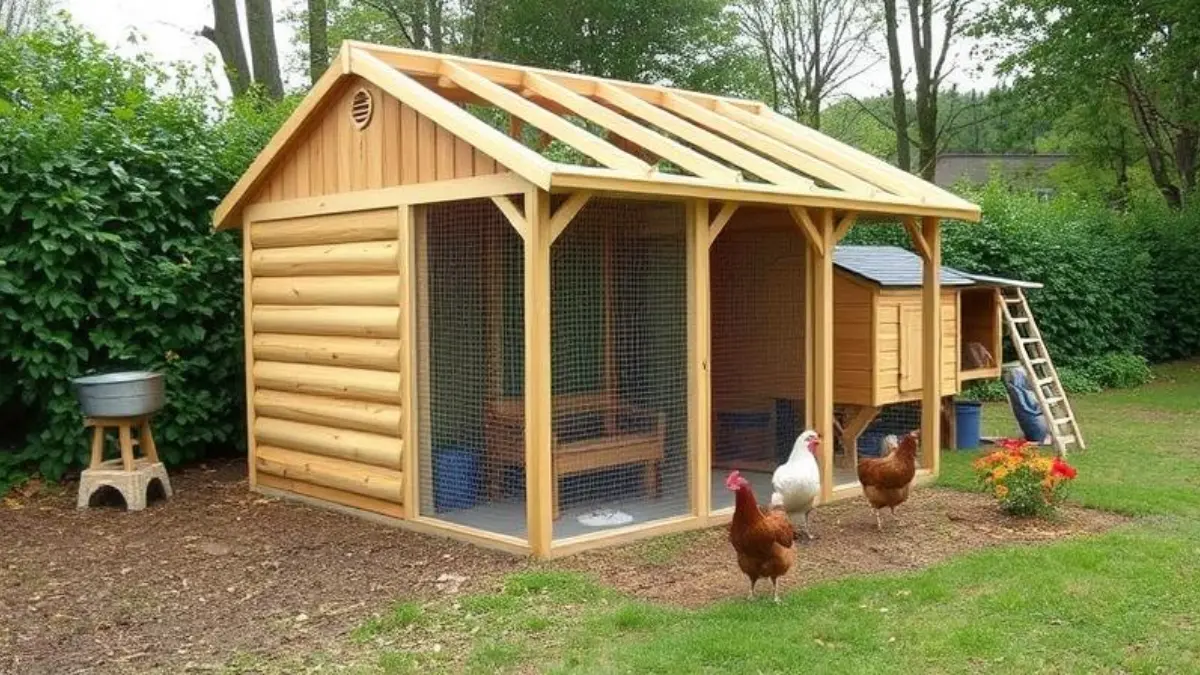
Large-Scale Chicken Coop Plans for 12 Hens or More
If you’re planning on raising a sizable flock, you’ll need a more robust setup. Plans for 20 chickens require a larger footprint and should include:
- A walk-in design for easy egg collection
- A well-insulated structure with proper ventilation
- Predator-proof doors and locks
- An attached run with dust bathing areas
The Best Chicken Coop Plans Free Step by Step
Still wondering where to find the best chicken coop plans free? Fortunately, many websites offer downloadable blueprints, including detailed step-by-step guides. Some of the best sources include:
- The University of Missouri Extension
- BackyardChickens.com
- DIY homesteading websites

DIY: Build Your Own Chicken Coop Plans DIY
If you love a good DIY project, then crafting your own chicken coop can be both fulfilling and cost-effective. Here’s a simple plan to get you started.
Materials Needed:
- Wooden pallets (for the frame)
- Chicken wire (to keep predators out)
- Corrugated metal or asphalt shingles (for roofing)
- Hinges and latches (for doors and nesting box access)
- Paint or stain (to weatherproof the wood)
- Screws and nails
Step-by-Step Guide:
- Choose a Location: Ensure it’s dry, well-drained, and receives both sun and shade.
- Build the Base: Use pallets or treated lumber to create a raised floor to prevent moisture damage.
- Construct the Frame: Assemble a simple rectangular structure with four walls and a slanted roof.
- Install the Roof: Use waterproof material to prevent leaks.
- Add Nesting Boxes and Roosting Bars: Place nesting boxes 18 inches above the ground and roosting bars higher up.
- Attach Chicken Wire: Secure the run with predator-proof mesh.
- Paint or Stain: Seal the wood for durability.
- Install Doors and Latches: Ensure easy access for cleaning and egg collection.

Winter Protection for Your Chicken Coop Plans
Winter can be tough on chickens, especially in colder climates. To keep your flock warm and safe, insulate the walls with straw bales or rigid foam insulation while ensuring adequate ventilation to prevent moisture build-up. Additionally, use the deep litter method, where a thick layer of straw or wood shavings acts as natural insulation. Ensure that waterers are heated or changed frequently to prevent freezing, and provide windbreaks around the coop to shield your flock from icy drafts. A well-designed chicken coop should keep the temperature stable, reducing the risk of frostbite on combs and wattles. However, avoid using artificial heat sources, as they can be a fire hazard and cause sudden temperature shocks if they fail.
Climate Considerations for Your Chicken Coop Plans
Since you’re raising chickens in Canada, weatherproofing is essential. Winters can be harsh, so consider these tips:
- Insulation: Add straw bales around the coop’s base.
- Ventilation: Keep vents open to prevent moisture build-up (even in winter!).
- Heating: Avoid heaters; instead, insulate well and use deep bedding for warmth.
- Water Proofing: Ensure the roof overhangs to prevent leaks.
For Canadian winters, aim for a coop temperature around 0°C (32°F) or slightly warmer using deep litter insulation.
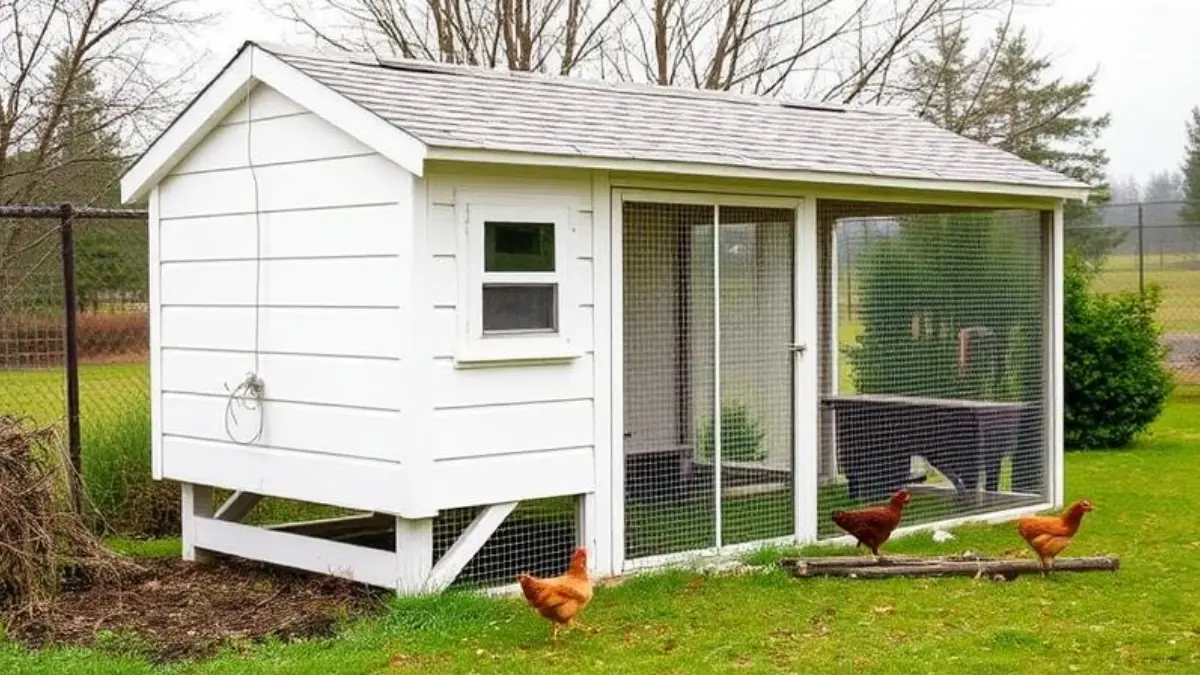
How Raising Chickens Can Lower the Cost of Eggs
Raising chickens can significantly reduce your grocery bill, especially as egg prices fluctuate. While the initial setup for a chicken coop and supplies requires an investment, the long-term savings are notable. With just a few hens, you can produce a steady supply of eggs without relying on store-bought options. Moreover, raising your own flock allows you to control feed quality, leading to healthier, more nutritious eggs. By using kitchen scraps, growing your own chicken feed, and allowing hens to free-range, you can cut down on feed costs. Additionally, if you produce more eggs than your family can consume, selling or trading extras with neighbours can offset expenses, making your chicken-keeping hobby even more economical.
The Best Plants to Grow Near Your Chicken Coop
When planning your chicken-friendly garden, don’t just think about what looks good—consider what benefits your flock! Not only do the right plants provide shade, fresh snacks, and pest control, but they also help keep the area smelling fresh.
1. Herbs for Health and Pest Control
First and foremost, herbs are a must-have near your coop. Lavender, mint, and rosemary are excellent at repelling pests like mites and flies. Even better, chickens love nibbling on them, and some herbs, like oregano and thyme, can boost their immune systems.
2. Hardy Shrubs for Shade and Shelter
Additionally, consider planting shrubs to give your flock some much-needed shade. Berry bushes like raspberries and elderberries provide food for both you and your chickens while creating a natural windbreak. Rose bushes can also work—just make sure to trim them to prevent overgrowth.
3. Chicken-Safe Flowers for Beauty and Function
Moreover, marigolds, nasturtiums, and echinacea are fantastic choices. These vibrant flowers not only add color but also attract pollinators and deter unwanted insects. Chickens enjoy snacking on nasturtiums, which have natural antibiotic properties!
4. Ground Covers to Reduce Mud
Finally, a good ground cover can help keep the area around your coop dry and clean. Clover and creeping thyme are hardy options that prevent mud while providing extra foraging opportunities for your birds.
By choosing the right mix of herbs, shrubs, flowers, and ground covers, you can create a beautiful, functional space that benefits both your chickens and your garden!
Conclusion
Finally, choosing the right chicken coop plans ensures your hens have a safe and comfortable home. Whether you’re looking for chicken coop plans for 6-8 chickens, chicken coop plans for 12 hens, or even chicken coop plans for 20 chickens, there’s a design to fit your needs. Additionally, if you’re a DIY enthusiast, crafting your own chicken coop plans DIY can save money and give you a coop that perfectly suits your backyard.
Now, are you ready to roll up your sleeves and build the perfect chicken coop? Let us know in the comments what style of chicken coop plans free step by step you’re considering! Send us a picture of your chicken coop over on our social media pages.

Good advice
Such a great and helpful article. So many excellent tips! I’ll be sharing this with my friends. Thanks!